

As a piercing retailer, you're not just selling jewelry – you're helping people through their piercing journey. Every day, customers come to you with questions about aftercare, worried about bumps, infections, or whether they're doing something wrong. Having clear, reliable answers ready not only builds trust but also reduces complications that could damage your reputation. Let's dive into the most common aftercare questions and how you can guide your clients to healing success.

The Basics of Proper Aftercare
The most frequent question you'll hear is "how often should I clean it?" The answer is refreshingly simple: twice daily with sterile 0.9% saline solution. Many clients think more cleaning equals faster healing, but that's where problems start. Over-cleaning strips away beneficial healing fluids and irritates the tissue, actually slowing down the process.
When recommending cleaning products, be specific about what works. While NeilMed is popular in piercing communities, it's often expensive or hard to find in Europe. Good alternatives include Stericlens (widely available in UK pharmacies) or any wound-wash saline spray. Some clients prefer making their own solution with ¼ teaspoon non-iodized salt to 250ml of boiled-then-cooled water, which works just as well when done correctly.
Products to Avoid
It's equally important to explain what clients should avoid. Contact lens saline might seem logical, but it contains preservatives that aren't meant for open wounds. The same goes for those harsh "piercing care" solutions from mall stores that contain alcohol or benzalkonium chloride – they cause more irritation than healing.
Why Initial Jewelry Quality Matters
This is where your expertise as a quality supplier becomes invaluable. The jewelry you put in a fresh piercing can make or break the healing process. Implant-grade titanium (meeting ISO 5832-3 or ASTM F-136 standards) isn't just a premium option – it's an investment in successful healing.
Here's what sets titanium apart: it contains no nickel, meeting strict EU regulations that limit nickel release to less than 0.2 μg/cm²/week. This might sound technical, but for the estimated 10-20% of people with nickel sensitivities, it's the difference between smooth healing and months of complications. When you explain this to customers, you're not just upselling – you're preventing problems before they start.
Handling the "Bump Panic"
Nearly every piercing develops some kind of bump during healing, and clients often assume the worst. Help them understand that most bumps are simple irritation that responds well to the L.I.T.H.A. method – Leave It The Hell Alone. The urge to fiddle with it, apply tea tree oil, or try various internet remedies usually makes things worse.
Types of Bumps
Teaching clients to identify different types of bumps empowers them to respond appropriately. Irritation bumps are soft, come and go, and improve when the source of irritation is removed. Hypertrophic scarring appears as raised tissue but stays close to the piercing site and can improve with time and proper care. True keloids are rare, genetic, and grow beyond the wound site – these need medical attention, not home remedies.
Lifestyle and Healing Timelines
Be realistic with clients about healing times. While the surface might look healed in a few weeks, internal healing takes much longer. Here's a helpful reference table you can share:
| Piercing Type | Minimum Healing Time | Safe to Change Jewelry |
|---|---|---|
| Earlobes | 6-8 weeks | 3 months |
| Cartilage (helix, conch) | 3-6 months | 6-9 months |
| Nostril | 2-4 months | 4-6 months |
| Navel | 6-9 months | 9-12 months |
| Nipple | 3-6 months | 6-9 months |
Swimming is another hot topic, especially in summer. The safest advice is to wait until fully healed, but if that's not realistic, recommend waiting at least 4 weeks and always rinsing with saline immediately after. Public pools and hot tubs are particularly risky due to bacteria levels.
Debunking Dangerous Myths
One of the most persistent myths is that you need to twist or rotate the jewelry. This outdated advice from the ear-piercing gun era causes trauma to healing tissue and introduces bacteria. Modern body jewelry doesn't "stick" to the skin – it's designed to sit comfortably without manipulation.
Another common misconception is that any saline solution works. Clients might reach for nasal spray or contact solution because it's convenient, but these products contain additives that irritate healing piercings. Only sterile, preservative-free 0.9% saline should touch a healing piercing.
Making Your Shop the Go-To Resource
By positioning yourself as an educational resource, you create loyal customers who trust your expertise. Consider creating printed aftercare sheets that clients can take home, ensuring they have accurate information even when online advice gets overwhelming. Stock both quality jewelry and appropriate aftercare products, making it convenient for clients to get everything they need in one place.
When you prioritize education and quality materials from the start, you're not just preventing problems – you're building a reputation as the shop that truly cares about client success. That reputation is worth more than any single sale.
Whether your clients are looking for basic titanium labrets, segment clickers for easy insertion, or specific styles like belly button rings, having quality titanium options in your inventory means you can confidently recommend jewelry that supports healing rather than hindering it. Browse our complete titanium collection to ensure you're stocked with the pieces your clients need most.
Frequently Asked Questions
Q: How often should I clean my new piercing?
A: Clean twice daily with sterile saline solution - morning and night. Over-cleaning causes irritation, so resist the urge to clean more often. Let warm water run over it during showers for extra gentle rinsing between cleanings.
Q: When can I change my jewelry?
A: Wait until fully healed - earlobes need 3 months, cartilage 6-9 months, navels up to a year. Changing too early risks infection and bumps. Always have your first change done by a professional piercer who can assess if you're ready.
Q: What's the difference between surgical steel and titanium?
A: Titanium is nickel-free and meets strict EU standards for body jewelry. Surgical steel can contain up to 14% nickel, which many people react to. For healing piercings, titanium is always the safer choice to prevent allergic reactions.
Q: Is crusty discharge normal or infected?
A: Clear or slightly yellow crusties are normal - it's lymph fluid drying. Gently rinse with saline, don't pick. True infection shows thick green/yellow pus, excessive redness, hot swelling, and fever. When in doubt, see a piercer.
Q: Can I use tea tree oil on piercing bumps?
A: Skip the tea tree oil - it's too drying and can make bumps worse. Most bumps come from irritation and need patience, not products. Stick to saline and avoid touching. If bumps persist over 2 weeks, consult your piercer.
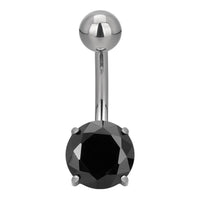
The Complete Guide to Titanium Piercings: What Every First-Timer Should Know
Choosing the right jewelry for your first piercing is crucial for proper healing and long-term comfo...
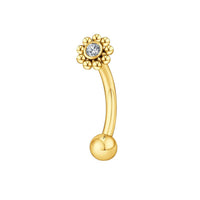
Titanium vs. Surgical Steel: The Professional Piercer's Guide to Material Selection
After decades of supplying piercing studios across Europe, we've analyzed thousands of healing o...